28th June
5th August
What’s the Difference Between Dry Needling and Acupuncture?
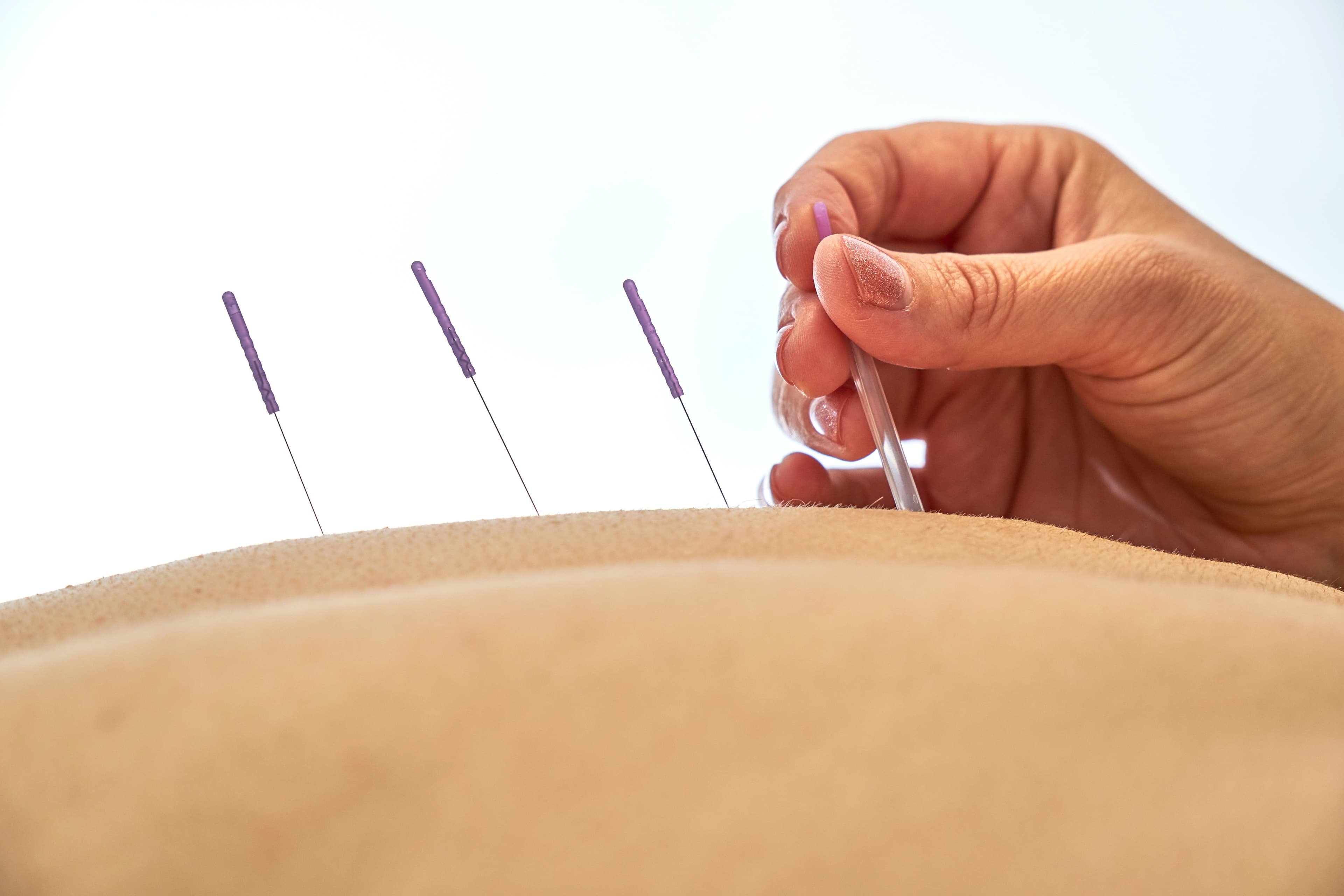
Dry needling and acupuncture are often confused — and it’s easy to see why. Both use very fine needles, both target the body’s tissues, and both can be effective for pain relief. However, they are not the same treatment, come from very different philosophies, and are used for different purposes.
Understanding the difference can help you feel confident about choosing the right treatment for your body and your goals.
What Is Dry Needling?
Dry needling is a modern, evidence-based technique commonly used by sports massage therapists, physiotherapists, and other musculoskeletal practitioners. In western practice we rely on evidence based practice; so research that concludes the pros and cons of a treatment.
It focuses specifically on the muscles and connective tissues, particularly trigger points — those tight, sensitive knots that can cause pain, restriction, or referred pain elsewhere in the body.
How dry needling works:
Dry needling is often used to support:
It’s called “dry” because no substance is injected — just the needle itself.
What Is Acupuncture?
Acupuncture is a traditional medical system that originated in Chinese medicine over 2,000 years ago. Rather than focusing only on muscles, acupuncture looks at the body as a whole system. It is often viewed as a more holistic approach to wellness.
The aim is to restore balance and encourage the body’s natural healing processes.
How acupuncture works:
Acupuncture is often used for:
Key Differences at a glance
Dry Needling
Acupuncture
Western, evidence-based approach
Traditional Chinese medicine
Targets muscles and trigger points
Targets energy pathways
Often used in sports & rehab
Used for whole-body balance
Focuses on pain & movement
Focuses on overall wellbeing
Short-term, targeted treatment
Often part of ongoing care
Which One Is Right for You?
It really depends on what you’re coming in for.
The good news?
These treatments don’t compete — they complement each other. Many clients benefit from using both at different times, depending on their needs.
Dry Needling at Podium Therapies
At Podium Therapies, dry needling is used alongside hands-on massage techniques, movement advice, and tailored treatment plans — never as a one-size-fits-all solution. And if you don’t like needles, don’t worry, we have lots of other modalities to help you recover – not just needles! If you’d like to try Acupuncture, Sheree has a few therapists that she refers out to, who she has tried and tested herself.
Your therapist will always: