28th June
2nd June
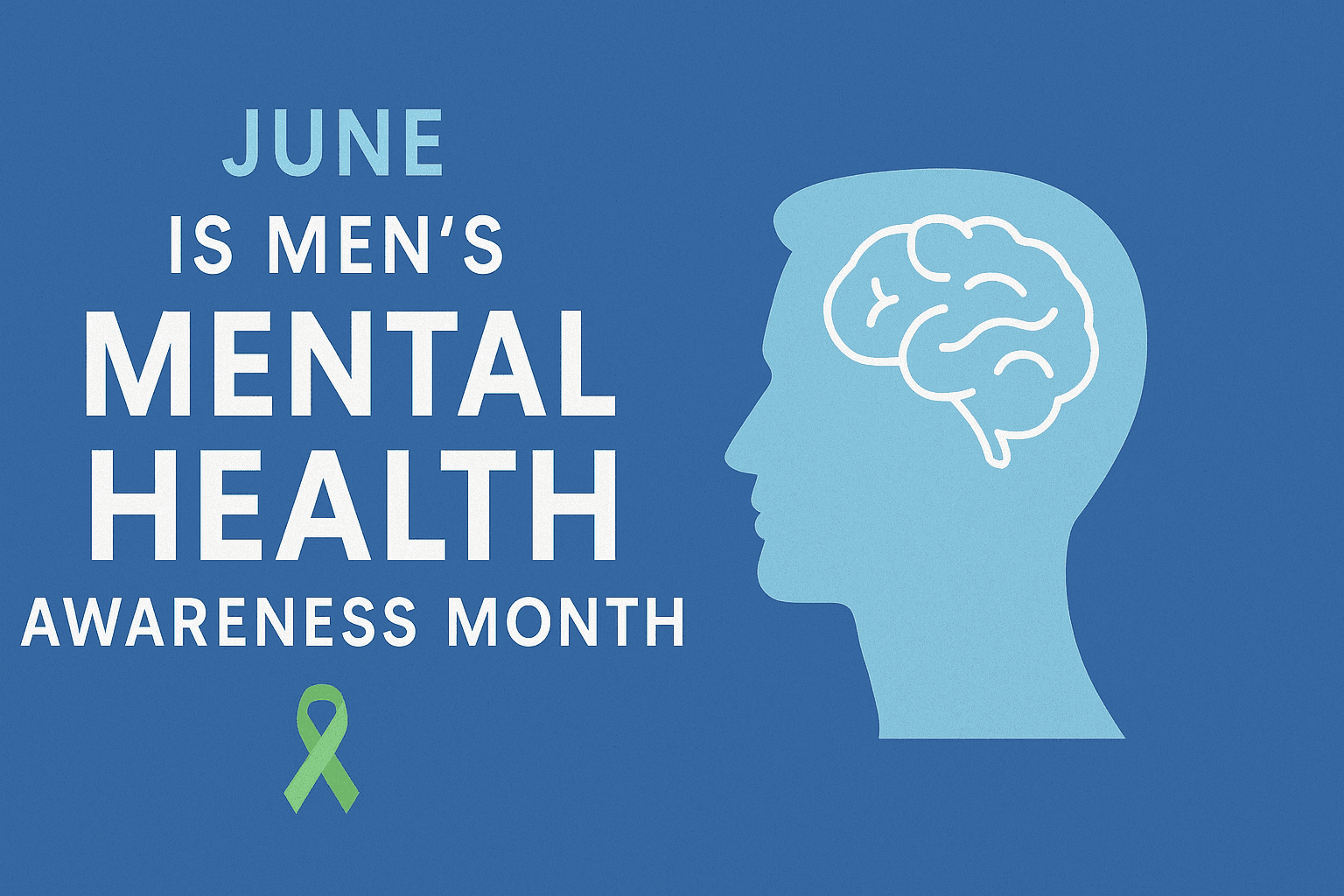
Men’s mental health is finally getting the attention it deserves — but there is still work to do. For generations, many men were taught to “tough it out,” suppress emotions, and push through stress without support. Today, we know that mental health is just as important as physical health — and both are deeply connected.
One powerful, often overlooked tool in supporting men’s mental wellbeing is massage therapy.
The State of Men’s Mental Health
Mental health challenges affect millions of men each year. According to organizations like Movember and the World Health Organization, men are less likely than women to seek help for anxiety, depression, and stress-related conditions — yet are at higher risk of suicide in many countries.
Common mental health challenges men face include:
Many men also experience physical symptoms linked to stress — tight shoulders, lower back pain, headaches, jaw tension — without recognizing the emotional load driving them.
This is where massage therapy becomes more than just relaxation.
The Mind–Body Connection
The body stores stress. When we experience ongoing pressure, our nervous system remains in a heightened “fight or flight” state. Muscles tighten, breathing becomes shallow, and stress hormones like cortisol rise.
Over time, this constant activation can lead to:
Massage therapy works by helping the nervous system shift from “fight or flight” into the “rest and digest” state — known as parasympathetic activation. This shift allows both the body and mind to reset.
Key Mental Health Benefits of Massage for Men
1. Reduces Stress Hormones
Research shows massage can lower cortisol levels while increasing serotonin and dopamine — chemicals linked to mood regulation and feelings of wellbeing. This hormonal shift can significantly reduce stress and anxiety.
2. Relieves Physical Tension
Many men carry stress in their neck, shoulders, back, and jaw. Regular massage helps release chronic muscular tension, which often reduces mental strain at the same time.
When the body softens, the mind often follows.
3. Improves Sleep Quality
Poor sleep and mental health are closely linked. Massage promotes deeper relaxation, making it easier to fall asleep and stay asleep — a crucial factor in emotional regulation.
4. Encourages Emotional Release
Massage provides a safe, non-verbal space. For men who find it difficult to talk about emotions, body-based therapies can offer relief without requiring conversation.
Sometimes the most powerful healing doesn’t start with words — it starts with feeling safe in your body.
5. Supports Burnout Recovery
Work-related stress and burnout are common among men balancing career, family, and financial responsibilities. Regular massage acts as a structured pause — a dedicated hour where performance isn’t required.
That alone can be transformative.
Breaking the Stigma Around Self-Care
There is still a misconception that self-care is indulgent or unmasculine. In reality, prioritizing health is a sign of strength and self-awareness.
Massage therapy is:
Many athletes openly use massage as part of their training recovery. Mental resilience deserves the same attention.
When Massage Works Best
Massage therapy can be particularly beneficial for men experiencing:
It can also complement other supports such as counselling, exercise, mindfulness, and medical treatment.
A Holistic Approach to Men’s Wellbeing
Mental health care doesn’t have to look one way. For some men, talk therapy is the first step. For others, body-based therapies provide a more accessible entry point.
Massage therapy offers:
When men are supported in caring for their mental health, families, workplaces, and communities benefit.
Final Thoughts
Men’s mental health matters. Stress is not a badge of honour, and silence is not strength.
Taking time for massage therapy is not a luxury — it is an investment in long-term wellbeing. By supporting the body, we create space for the mind to heal.
If you or someone you know is struggling, reaching out to a healthcare professional, GP, or a men’s health organization such as Movember can be an important first step.
Supporting men’s mental health starts with normalising care — in all its forms.